
Weight loss can be transformative, improving mobility, metabolic health, and overall confidence. Yet significant body changes may also influence the skin’s appearance, particularly when weight reduction occurs rapidly.
Many patients pursuing medical weight loss notice shifts in skin firmness, elasticity, and facial volume, leading to concerns commonly referred to as “Ozempic face.” While this phrase may sound informal, it reflects a real physiological process associated with fat reduction and collagen changes that influence facial contours.
Medical weight loss offers powerful solutions for addressing obesity and supporting long-term wellness, particularly through clinically guided treatments such as Semaglutide and Tirzepatide. However, thoughtful planning can help maintain skin vitality throughout the process. Understanding how rapid weight loss skin changes affect facial structure allows patients to approach treatment with balance, protecting both health and aesthetic harmony.
Continue reading to learn how medical weight loss works, why skin changes may occur, and how patients can support healthy, resilient skin throughout their transformation.
The Health Impact of Obesity
Excess weight may influence multiple systems throughout the body, contributing to both visible and internal health concerns.
- Metabolic imbalance may affect long-term wellness. Obesity is often associated with changes in insulin sensitivity and hormone regulation. These shifts may influence energy levels and overall health stability. We offer medical weight loss programs designed to support balanced metabolic function.
- Cardiovascular strain may increase health risks. Elevated body weight may influence blood pressure and cholesterol levels. Supporting a healthy weight may contribute to improved cardiovascular resilience. Medical weight loss strategies may complement preventive health approaches.
- Inflammation may influence skin quality. Chronic inflammation may affect collagen integrity and contribute to premature aging. Collagen loss and aging processes may accelerate when inflammation persists. Balanced wellness strategies support skin vitality.
- Mobility challenges may affect lifestyle habits. Excess weight may contribute to joint stress and reduced physical comfort. Improved mobility may support greater engagement in daily activities. Medical weight loss supports sustainable lifestyle adjustments.
- Psychological well-being may be influenced by body changes. Self-perception often affects overall confidence and motivation. Supporting a healthy weight may contribute to improved emotional well-being.
We offer medical weight loss programs designed to support holistic health goals.
What Is Medical Weight Loss?
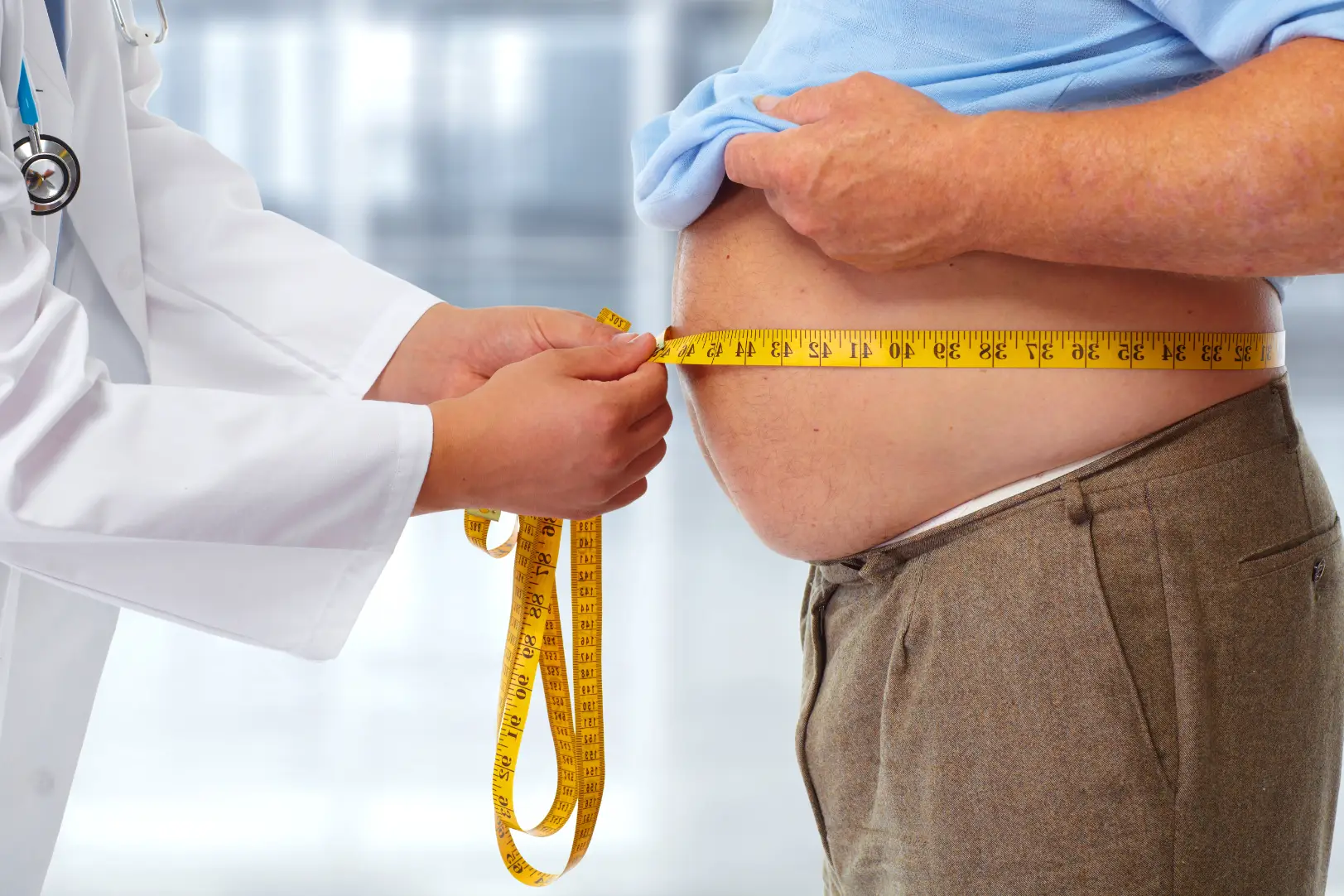
Medical weight loss refers to physician-guided programs designed to support sustainable weight reduction through individualized treatment strategies. These programs often incorporate lifestyle guidance, nutritional support, and clinically approved medications that influence appetite regulation and metabolic function.
At Pur Aesthetics and Wellness, we offer Semaglutide and Tirzepatide as part of medically supervised treatment plans. These medications belong to a class of therapies often associated with GLP-1 weight loss side effects discussions, as they influence appetite hormones that regulate satiety and blood sugar balance.
Semaglutide and Tirzepatide work by mimicking naturally occurring hormones that signal fullness, helping patients manage portion control and reduce cravings. This structured approach supports consistent weight reduction while promoting long-term metabolic stability.
While these treatments offer significant benefits, rapid weight loss skin changes may occur when fat volume decreases faster than the skin’s supportive structures can adapt. Understanding these changes allows patients to incorporate strategies that support facial fat loss solutions and maintain balanced skin integrity.
How to Protect Skin During Medical Weight Loss
Significant weight loss can bring meaningful improvements in overall health, yet the skin may require additional support as the body adjusts to these changes. Because rapid fat reduction can influence elasticity and collagen levels, a proactive approach helps maintain balanced facial contours and smoother texture throughout the process.
By combining thoughtful skincare, nutritional support, and targeted aesthetic treatments, patients can address concerns such as facial volume loss, skin laxity after weight loss, and other GLP-1 weight loss side effects while continuing to enjoy the benefits of medical weight loss.
1. Support Collagen Health
Collagen plays a central role in maintaining skin firmness and elasticity. Rapid weight reduction may influence collagen production, contributing to skin laxity after weight loss. Supporting collagen activity through balanced nutrition and aesthetic treatments may help maintain structural integrity.
Collagen loss and aging processes often occur simultaneously during significant weight changes. Supporting collagen synthesis contributes to improved skin resilience. Maintaining collagen health supports smoother skin texture.
2. Maintain Gradual Weight Loss Pace
Gradual weight reduction may allow skin to adapt more effectively to body composition changes. Rapid weight loss often causes skin changes when fat volume decreases faster than skin elasticity can adjust. Medical supervision helps guide balanced weight reduction timelines.
Steady progress supports long-term metabolic stability. Gradual changes contribute to improved skin adaptation. Balanced pacing supports sustainable results.
3. Hydration Supports Skin Elasticity
Hydration plays a vital role in maintaining skin suppleness and resilience. Adequate water intake contributes to improved cellular function and supports skin barrier balance. Well-hydrated skin may appear smoother and more luminous.
Hydration supports structural flexibility during weight reduction. Maintaining fluid balance contributes to overall wellness. Skin vitality benefits from consistent hydration habits.
4. Nutritional Support Promotes Skin Vitality
Nutrient-dense diets provide essential building blocks for collagen production and cellular repair. Vitamins such as C and E support antioxidant protection that contributes to improved skin resilience. Balanced nutrition complements medical weight loss strategies.
Protein intake supports tissue repair processes. Micronutrients contribute to improved skin structure. Nutritional balance supports long-term aesthetic outcomes.
5. Facial Volume Preservation Strategies
Facial volume loss is a common concern associated with rapid fat reduction. Supporting facial fat loss solutions may involve aesthetic treatments designed to maintain structural harmony. Balanced volume contributes to a youthful appearance.
Facial contours influence perceived vitality. Structural support contributes to facial balance. Volume preservation strategies support aesthetic consistency.
6. Skin Tightening Treatments
Skin laxity after weight loss may be addressed through treatments that stimulate collagen remodeling. Sagging skin treatment options may support improved elasticity and firmness. Aesthetic therapies complement weight reduction goals.
Collagen stimulation contributes to refined texture. Skin tightening strategies support structural integrity. Treatment planning supports balanced outcomes.
7. Consistent Skincare Maintenance
Daily skincare routines contribute to maintaining skin hydration and barrier function. Medical-grade skincare products may support improved texture and tone consistency. Consistent routines complement medical weight loss strategies.
Topical antioxidants support environmental protection. Hydrating formulations contribute to skin resilience. Routine care supports sustained vitality.
8. Professional Monitoring Supports Balanced Results
Medical supervision allows practitioners to evaluate both weight loss progress and skin condition throughout treatment. Individualized care plans support comprehensive wellness strategies. Professional guidance contributes to balanced aesthetic outcomes.
Ongoing evaluation supports adaptive treatment planning. Personalized strategies enhance patient confidence. Professional oversight supports long-term success.

9. Holistic Lifestyle Practices Support Skin Health
Lifestyle habits such as sleep quality, stress management, and physical activity influence skin vitality. Balanced routines contribute to improved circulation and cellular renewal. Holistic care complements medical weight loss programs.
Stress management supports hormonal balance. Physical activity contributes to improved oxygen delivery to tissues. Lifestyle consistency enhances overall wellness.
Balanced Transformation at Pur Aesthetics and Wellness
Pur Aesthetics and Wellness in Granger, IN, offers medical weight loss programs designed to support both metabolic health and aesthetic balance. Treatments incorporating Semaglutide and Tirzepatide provide structured pathways toward sustainable weight reduction, while thoughtful skin support strategies address concerns related to facial volume loss, skin laxity after weight loss, and collagen decline.
Medical weight loss represents an opportunity to improve health while maintaining confidence in one’s appearance. By integrating preventative strategies that address rapid weight loss skin changes, patients can pursue transformative outcomes that align with both wellness and aesthetic goals.
We provide comprehensive care designed to support balanced transformation, allowing patients to approach weight loss with confidence while preserving skin vitality throughout their journey.
Call us today to book your consultation!