
There is a certain moment when your skin stops reflecting light the way it used to. It feels a little rough, looks a little tired, and no amount of moisturizer seems to bring it back. Dullness has a way of settling in quietly, building up layer by layer until your complexion feels out of sync.
This is where facials step in with intention. Not all exfoliation is created equal, and understanding the difference between treatments can completely change how your skin responds. Enzyme masks have been gaining attention for their ability to refresh the skin in a more refined way, especially when compared to traditional chemical peels.
If you have ever wondered whether to go gentle or go deep, this guide breaks it down. Keep reading to discover how enzyme masks work, how they compare to chemical peels, and which direction might align better with your skin.
What Is an Enzyme Mask?
To understand why enzyme masks are becoming a go-to option, it helps to look at how they interact with the skin. Unlike more aggressive treatments, enzyme masks focus on dissolving buildup rather than forcing it off.
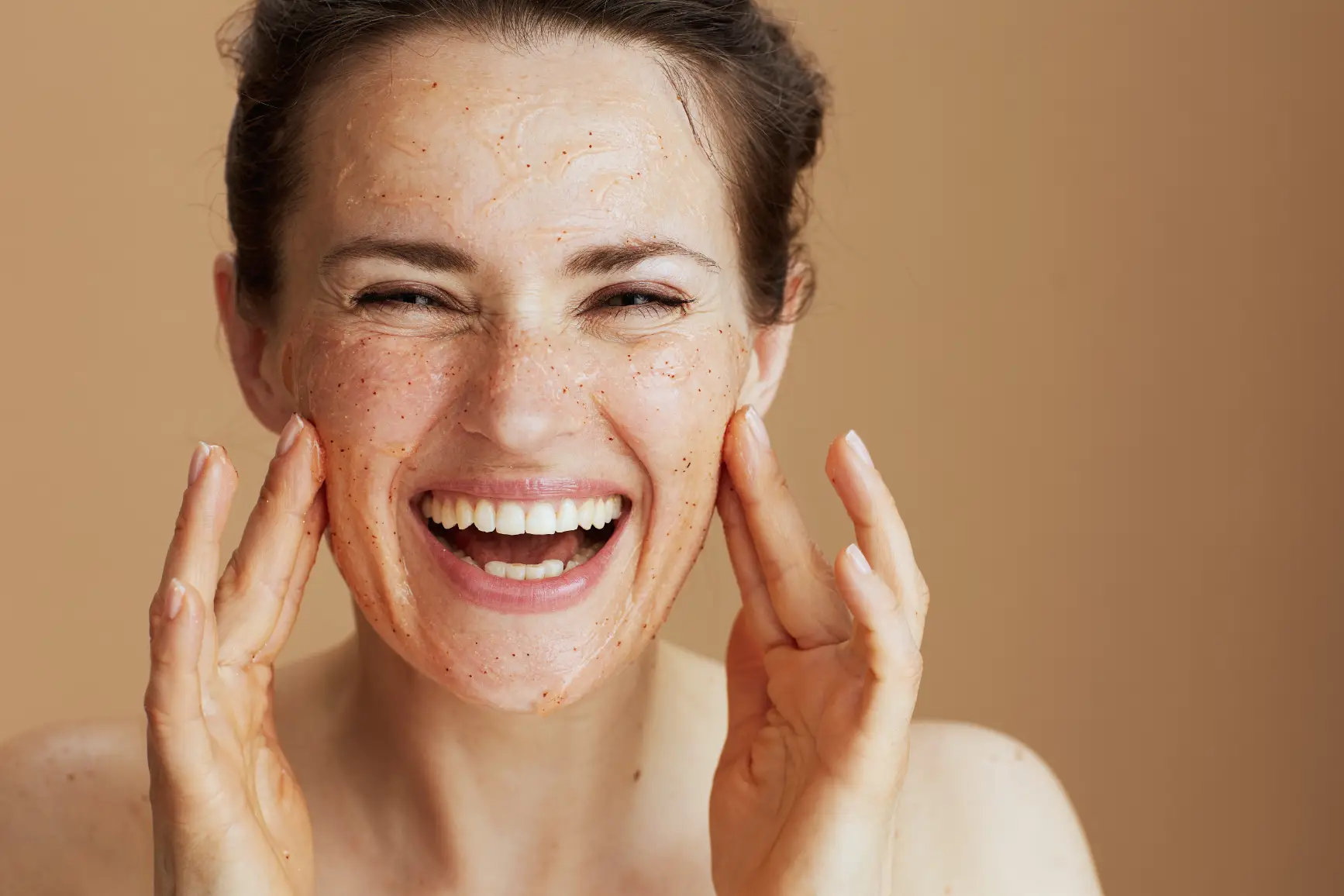
At the core of enzyme facial treatments is a natural process that uses fruit-derived enzymes to refine and refresh the skin.
- Fruit-Based Exfoliation. Enzymes are typically sourced from fruits like papaya, pineapple, or pumpkin. These ingredients gently break down dead skin cells on the surface.
- Targeted Skin Renewal. Instead of penetrating deeply, enzyme masks work at the top layer of the skin, loosening debris and buildup.
- Gentle Yet Effective Approach. This form of fruit enzyme exfoliation is ideal for those who want smoother skin without irritation.
- Supports Clearer Pores. By dissolving buildup, enzyme masks help unclog pores and improve overall texture.
- Hydration-Friendly. Many formulations are designed to maintain moisture, making them suitable for those seeking gentle exfoliation for sensitive skin.
Popular options like papaya enzyme skincare and pumpkin enzyme mask benefits highlight how natural ingredients can deliver visible results without overwhelming the skin.
This approach creates a softer, more balanced kind of glow. It is less about intensity and more about refinement.
Peels vs. Enzymes
Choosing between enzyme masks and chemical peels is not about which one is better. It is about understanding how each one works and what your skin actually needs. This is where the conversation around chemical peel vs. enzyme mask becomes more nuanced.
1. Surface vs. Depth
The most noticeable difference lies in how deeply each treatment works. Enzyme masks focus on the surface. They dissolve the bonds between dead skin cells, allowing them to lift away naturally. This creates a smoother texture without disrupting deeper layers.
Chemical peels, on the other hand, penetrate further into the skin. Depending on their strength, they can target deeper concerns such as pigmentation, fine lines, and more pronounced texture issues.
This difference in depth changes the overall experience. Enzyme masks feel lighter and more controlled, while peels take a more intensive approach.
2. Intensity of Exfoliation
Exfoliation is not just about removing dead skin. It is about how that removal happens. Enzyme masks rely on biological activity. The enzymes digest the proteins that hold dead skin cells together, creating a gradual and even exfoliation process.
Chemical peels use acids to break down the skin’s surface layers. This can lead to more dramatic results, but it also requires the skin to go through a more noticeable renewal process.
For patients looking for a softer approach, enzyme masks offer a way to refine the skin without pushing it too far.
3. Skin Sensitivity and Tolerance
Not all skin responds well to aggressive treatments. Sensitivity can come from genetics, environmental factors, or previous treatments.
Enzyme masks are often chosen for their compatibility with sensitive skin. The process is controlled and less likely to cause irritation, making it a strong option for those who need gentle exfoliation for sensitive skin.
Chemical peels can still be effective for sensitive skin when used correctly, but they require careful selection and professional guidance. The strength of the peel must match the skin’s tolerance to avoid unwanted reactions.
This is where understanding your skin becomes essential. The right treatment depends on how your skin responds, not just what the treatment promises.
4. Downtime and Recovery
One of the biggest differences between these treatments is how the skin behaves afterward. Enzyme masks typically leave the skin looking refreshed with minimal downtime. There is no visible peeling or extended recovery period. This makes them easy to incorporate into regular skincare routines.
Chemical peels often involve a period of visible peeling or flaking as the skin renews itself. While this process can lead to significant improvement, it requires patience and proper aftercare. For patients balancing busy schedules, this difference can be a deciding factor.
5. Results and Longevity
Both treatments deliver results, but the way those results appear can vary. Enzyme masks provide a subtle, immediate glow. The skin looks smoother and more even, with improvements building over time through consistent sessions.
Chemical peels can create more dramatic changes, especially for deeper concerns. However, these results often come with a more intensive process.
The choice comes down to preference. Some patients prefer gradual refinement, while others are drawn to more noticeable transformation.
6. Customization and Flexibility
Modern facials are all about customization, and both enzyme masks and chemical peels can be tailored to fit individual needs.
Enzyme masks offer flexibility through ingredient selection. Different enzymes target different concerns, allowing treatments to adapt without increasing intensity.
Chemical peels can also be customized, but adjustments often involve changing the strength or type of acid used.
This difference highlights how enzyme masks provide a more adaptable, low-pressure approach to skincare.
The Rise of Gentle Exfoliation
There is a noticeable shift in how patients approach skincare. The focus is moving toward treatments that support the skin rather than challenge it.
Enzyme masks fit into this shift perfectly. They offer a way to maintain clarity and smoothness without pushing the skin into recovery mode. This aligns with a more modern understanding of skin health, where balance is just as important as results.
This does not mean chemical peels are fading out. They still play a valuable role, especially for targeted concerns. The difference is that patients now have more options, allowing them to choose what feels right for their skin at any given time.
Finding Your Balance
Skincare is rarely about choosing one path and sticking to it forever. It is about understanding your skin and adjusting as needed.
Some patients may alternate between enzyme masks and chemical peels, using each treatment for different purposes. Others may find that one approach aligns better with their long-term goals.
The key is knowing what your skin is asking for. Whether it is a gentle refresh or a deeper reset, the right treatment supports that need without overcomplicating the process.
Where Personalized Skincare Comes Together
The experience of a facial is shaped by more than the treatment itself. It is influenced by the environment, the expertise behind it, and the attention to detail that goes into every step.
At Pur Aesthetics and Wellness in Granger, IN, facials are approached with a focus on customization and balance. Each treatment is designed to align with your skin’s current condition, creating results that feel natural and refined.
For those exploring the difference between enzyme masks and chemical peels, having guidance makes all the difference. It turns the decision into something informed rather than uncertain.
Call us today to schedule your consultation!