
Aging has a way of sneaking up on people. It’s not always about wrinkles or gray hair—it’s the quieter changes that tend to feel more unsettling. Energy dips that don’t improve with rest, weight gain that appears despite consistent habits, mood shifts that feel unfamiliar, or a sense that your body no longer responds the way it once did.
Bioidentical hormone replacement therapy (BHRT) has entered the conversation because it addresses a piece of aging that many patients were never told to watch for: hormonal change. What often surprises people is how early hormone shifts can begin and how deeply they influence daily life. Long before aging feels obvious on the outside, internal hormone levels may already be changing the way the body functions.
BHRT offers a medically guided way to understand those shifts and respond to them thoughtfully, rather than dismissing symptoms as something you simply have to accept. If you’ve ever wondered whether feeling “older” is inevitable or negotiable, this is worth exploring.
How Aging and Hormones Are Connected
Hormones act as messengers, quietly coordinating how the body operates from day to day. As we age, those messages don’t stop, but they do change.
Declines and imbalances can affect multiple systems at once, which is why symptoms often feel scattered or unrelated.
- Energy and Metabolism. Hormonal shifts can slow metabolic processes, making fatigue more common and weight management more difficult even without lifestyle changes.
- Sleep Patterns. Changes in estrogen, progesterone, and testosterone can interfere with sleep quality, leading to restless nights and reduced recovery.
- Mood and Emotional Regulation. Hormones play a role in neurotransmitter balance, which is why irritability, anxiety, or low mood can appear during midlife transitions.
- Muscle Mass and Strength. Declining testosterone and estrogen levels can contribute to muscle loss and reduced physical resilience over time.
- Skin, Hair, and Tissue Changes. Hormones influence collagen production, skin elasticity, and hair growth cycles, impacting visible signs of aging.
Because these changes often overlap, we offer BHRT as an option for patients looking to address hormone-related aging more comprehensively.
What BHRT Actually Is
Bioidentical hormone replacement therapy is designed to work with the body, not override it. BHRT uses bioidentical hormones—compounds that are structurally identical to the hormones naturally produced by the human body.
These hormones are used to support balance when natural production declines or becomes inconsistent. Unlike blanket approaches, BHRT is tailored based on individual hormone levels, symptoms, and goals.
Rather than focusing on age alone, hormone replacement therapy through a bioidentical approach looks at how hormones are functioning now and how restoring balance may support overall well-being.
The goal isn’t to “turn back the clock,” but to help the body operate more like it did before imbalance began affecting daily life.
How BHRT Can Help You Feel Younger
Feeling younger is often less about appearance and more about how the body feels moving through everyday life.
1. Restoring Sustainable Energy
Chronic fatigue is one of the most common reasons patients explore hormone optimization. When hormones involved in energy regulation fall out of balance, the body struggles to maintain consistent stamina.
BHRT can help stabilize those levels, allowing energy to feel steadier rather than unpredictable. Patients often describe feeling capable again—able to get through the day without constant exhaustion or reliance on stimulants.
2. Supporting Mental Clarity and Focus
Brain fog is frequently linked to hormone imbalance, especially during periods of transition such as perimenopause or andropause. Estrogen, progesterone, and testosterone all influence cognitive function.
By supporting hormonal balance, BHRT may help improve focus, memory, and mental sharpness. Many patients notice clearer thinking and better concentration once hormone levels are addressed.
3. Improving Sleep Quality
Sleep disruption often becomes more common with age, even for people who previously slept well. Hormonal changes can interfere with circadian rhythms and the body’s ability to stay asleep.
BHRT may help regulate these patterns, allowing for deeper, more restorative sleep. Better sleep often amplifies other benefits, including mood, energy, and physical recovery.
4. Supporting Emotional Stability
Mood changes aren’t simply “part of getting older.” Hormones directly influence neurotransmitters involved in emotional regulation.
When hormone levels stabilize, many patients report feeling more emotionally balanced and less reactive. This doesn’t flatten emotions—it restores a sense of steadiness that often feels lost during imbalance.

5. Enhancing Muscle Tone and Strength
Loss of muscle mass is a natural part of aging, but hormone imbalance can accelerate the process. Testosterone and estrogen both play roles in muscle maintenance and recovery.
Testosterone therapy, when appropriate, may help support muscle strength and physical resilience. Patients often find it easier to maintain fitness routines once hormonal support is in place.
6. Supporting Healthy Weight Management
Weight gain during midlife is often blamed solely on metabolism or lifestyle, but hormones are deeply involved in how the body stores and uses energy.
BHRT may help improve metabolic efficiency, making it easier for patients to respond to diet and exercise efforts. While it’s not a weight-loss treatment, balanced hormones often make healthy habits more effective.
7. Promoting Skin and Tissue Health
Hormones influence collagen production, skin thickness, and elasticity. Declines can contribute to dryness, thinning skin, and changes in texture.
Estrogen therapy and progesterone therapy, when indicated, may help support skin health from within. Patients often notice improvements in skin comfort and appearance as part of overall balance.
8. Supporting Libido and Sexual Wellness
Changes in desire and sexual comfort are common as hormones shift. These changes can affect confidence and quality of life, but are rarely discussed openly.
BHRT may help restore libido and improve sexual well-being by addressing underlying hormonal contributors rather than focusing on symptoms alone.
9. Strengthening Bone Health
Estrogen and testosterone play critical roles in bone density. As levels decline, the risk of bone loss increases.
By supporting hormone balance, BHRT can be part of a broader strategy to maintain bone strength and long-term mobility, especially during aging transitions.
10. Helping Patients Feel More Like Themselves
Perhaps the most meaningful benefit patients describe isn’t tied to a single symptom. It’s the feeling of recognition, of returning to a version of themselves that feels familiar and capable.
BHRT supports this by addressing the underlying hormone imbalance that often makes aging feel abrupt or disconnected rather than gradual.
A Personalized Approach to Hormone Care
Hormones don’t decline in identical ways. Effective hormone replacement therapy requires careful evaluation, monitoring, and adjustment over time.
A personalized approach allows treatment to evolve alongside the patient’s needs rather than following a static protocol. This adaptability is what makes BHRT feel supportive rather than disruptive.
Hormones and Aging Don’t Have to Be Opponents
Aging is inevitable; unnecessary suffering is not. Understanding how hormones influence aging allows patients to make informed decisions about their health rather than resigning themselves to unwanted changes.
BHRT offers a way to work with the body during this phase instead of feeling at odds with it.
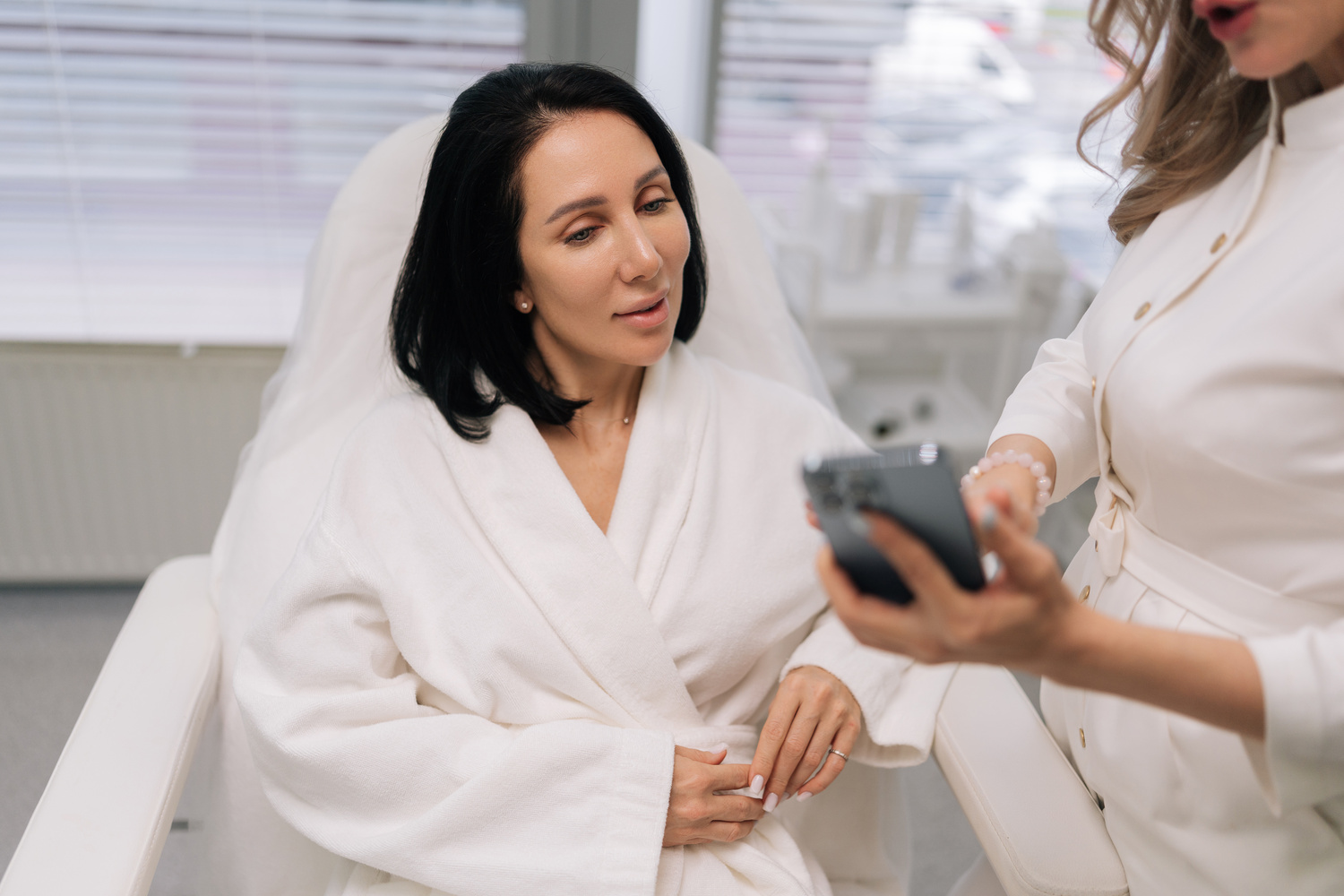
Rethinking Aging With BHRT
BHRT has reshaped how many patients experience aging—not by stopping time, but by restoring balance where it’s been lost. When hormones are supported thoughtfully, energy improves, mood stabilizes, and the body feels more responsive again.
Aging doesn’t have to feel like a steady decline. With the right insight and care, BHRT can help patients move through this stage feeling stronger, clearer, and more like themselves.
At Pur Aesthetics and Wellness in Granger, IN, BHRT is approached as part of a broader commitment to wellness and preventive care. Treatment decisions are guided by education, balance, and long-term health rather than quick fixes.
Call us today to schedule your consultation!