
You come inside from a chilly walk, hang up your coat, and feel your cheeks getting hotter. For someone with rosacea, that familiar flush may linger long after the room feels comfortable. Laser treatment can help reduce persistent redness and visible vessels when they become part of the picture.
Understanding the difference between a passing flare and lasting redness can help you choose appropriate care. Keep reading to learn why colder weather can aggravate your skin and how treatment may fit into a practical winter routine.
How Light Calms Redness
Cold wind can irritate exposed skin, while low humidity and indoor heating can worsen dryness. Moving between chilly outdoor air and overheated rooms may also provoke flushing. Hot showers, steaming drinks, and sitting near a fireplace can add more heat to already reactive skin.
The rosacea triggers winter brings aren’t identical for everyone. A brief symptom diary can help you connect flares with weather, activities, skincare, and meals. Look for patterns before deciding that every possible trigger needs to disappear from your life.
Understanding what causes rosacea is a different question. Its exact cause remains uncertain, although inflammation, genetics, and environmental factors appear to contribute. Winter can aggravate an existing tendency; it does not explain the whole condition.
Laser and light treatments address certain visible signs while daily care helps manage the exposures that bring symptoms on.
1. Target Visible Vessels
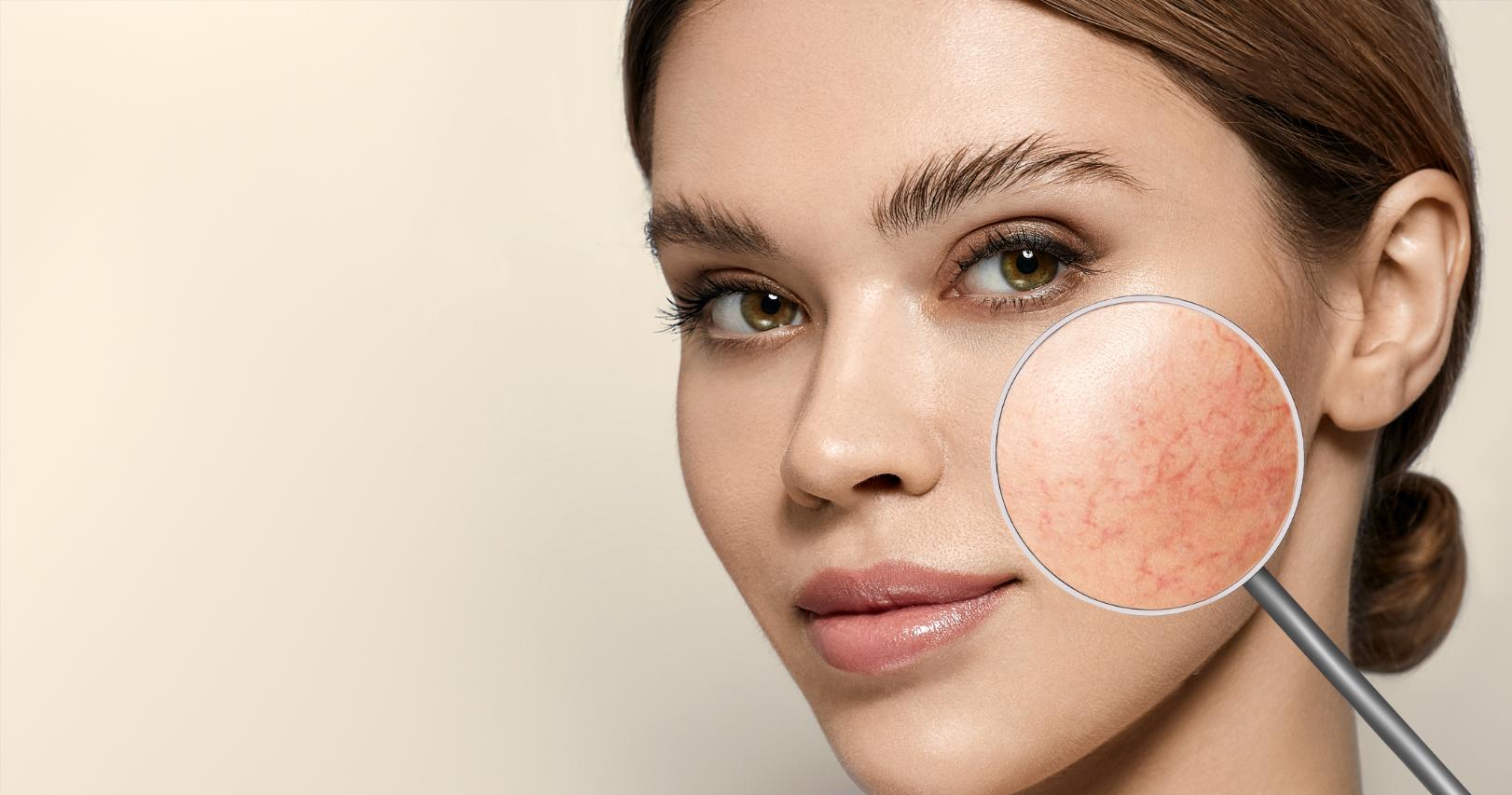
Visible facial vessels are among the clearest targets for laser treatment. These fine red lines often appear around the nose and across the cheeks, sometimes remaining noticeable between flares.
Vascular lasers deliver light that is absorbed by hemoglobin, the pigment in blood. That energy becomes heat within the targeted vessels. The heat damages vessel walls, helping the vessels close and become less visible as the treated area heals.
This is different from exfoliating the skin’s surface. The goal is to reduce unwanted visible vessels beneath it, using a device and settings selected for the concern.
Your provider should explain which areas are likely to respond. A few distinct vessels beside the nose may need a different approach from widespread cheek redness. Pointing out what bothers you most helps make that discussion specific, whether it’s visible lines, a persistent pink tone, or both.
2. Soften Lasting Redness
Laser for rosacea redness may also help when your face stays red between obvious flares. This background redness can make your complexion look flushed even when you aren’t overheated.
Appropriate laser or light treatment can reduce this persistent color. The degree of improvement varies with the treatment used and the individual skin response. Complete clearance should not be assumed.
A small randomized trial involving 29 patients found that both pulsed dye laser and intense pulsed light improved redness and visible vessels after three monthly treatments. That finding supports their role in care, while leaving room for differences between devices and treatment plans.
Brief flushing episodes are a separate concern. You may have less background redness after treatment and still flush during a hot shower or stressful conversation. Tell your provider whether the main problem is constant color, episodes of heat, or both, because each deserves attention.
3. Choose the Right Technology
The choice of technology matters because laser and light devices work differently. A useful consultation explains why a particular option fits your skin instead of treating every red face alike.
A clinician should confirm that rosacea is the reason for your symptoms before selecting a procedure. Other conditions, including contact dermatitis triggered by a new skincare product, can also make the face red or irritated. Treating the correct condition is the starting point for useful results.
Intense pulsed light, or IPL, uses filtered light across multiple wavelengths. It is not a laser, although it is often discussed alongside laser treatments for redness and visible vessels.
Pur Aesthetics and Wellness offers options including Rohrer Spectrum IPL and Aerolase Neo Elite. Neo Elite is a 1064-nanometer Nd:YAG laser that delivers energy in 650-microsecond pulses. These are different tools, and having access to both allows a discussion about which approach is appropriate.
Skin tone is part of that decision. Rosacea can affect darker skin, where redness may be less obvious. Device selection and settings need care because unsuitable treatment can cause burns or pigment changes.
Ask about the provider’s experience treating rosacea in skin like yours. Also share recent tanning, previous laser reactions, medications, and any history of cold sores before treatment.
4. Address the Full Picture
A rosacea treatment plan often combines several approaches because redness is only one possible symptom. Your skin may also develop acne-like bumps, stinging, dryness, or eye irritation.
Laser and light treatment can address vessels and persistent color. Topical or oral medication may be needed for inflammatory bumps, while a gentle skincare routine helps support comfort. Your clinician can explain how these parts fit together.
This distinction matters when deciding whether treatment is working. If visible vessels improve but breakouts continue, that may signal a need to address another part of the condition. It does not automatically mean stronger laser settings are the answer.
Eye symptoms also deserve separate attention. Dry, gritty eyes should be discussed with a healthcare professional. Eye pain, blurred vision, or light sensitivity calls for prompt medical assessment; a facial redness appointment should not delay that care.
5. Build Progress Over Visits
Improvement usually develops through a planned course rather than a single dramatic change. The number of sessions depends on the device, severity of redness, visible vessels, and response.
Pur Aesthetics and Wellness describes an initial series of three to five treatments spaced several weeks apart. Your provider may recommend a different schedule after examining your skin and discussing your goals.
Spacing gives the skin time to recover and allows the response to be assessed. It also provides a chance to adjust the plan if a particular area needs more attention or your skin becomes irritated.
Photographs taken in consistent lighting can help document changes. Comparing a post-exercise selfie with a quiet morning photo can make progress difficult to judge. Bring observations about how often you flush, which areas stay red, and how comfortable your skin feels.
Before starting, ask when the first meaningful review will happen. Knowing what the provider will assess makes the treatment journey easier to follow.
If you’re planning a sunny vacation or outdoor winter sports, mention those dates before you commit to a series. Your provider can work around the sun precautions and recovery your treatment requires. The most useful schedule is one you can realistically follow between visits.
6. Plan for Recovery
Knowing what a session feels like can make the experience less intimidating. You’ll wear protective eyewear, and the provider will treat selected areas using the planned device and settings.
Depending on the treatment, you may feel warmth or brief snapping sensations. Speak up if discomfort becomes difficult to tolerate. Comfort measures vary, so ask what will be used for your appointment.
Temporary redness, swelling, or tenderness can follow treatment. Some vascular laser settings may also cause bruising that lasts around one to two weeks. Your provider should explain the expected recovery for your specific procedure before you schedule it.
Tell the team about important events and work commitments. A treatment advertised as having minimal downtime may still leave visible changes that matter to your plans.
Follow the written aftercare instructions, including guidance about sun exposure and heat. Contact the practice if you develop blistering, worsening pain, or another reaction that falls outside the recovery instructions you were given.
7. Protect the Skin Between Visits
Daily care helps maintain comfort while professional treatment addresses visible redness. This becomes especially useful when winter air leaves your face feeling tight or easily irritated.
Use a gentle cleanser and a fragrance-free moisturizer that your skin tolerates. Wash with lukewarm water and pat dry. Scrubs, rough washcloths, and aggressive exfoliation can aggravate rosacea, even when they promise a smoother complexion.
Apply broad-spectrum SPF 30 or higher every day. Winter sunshine still matters, and sunscreen remains part of care before and after laser or light treatment. If sunscreen stings, ask about a suitable mineral formula.
Outdoor protection can be simple. A soft scarf can shield your cheeks from wind, while removable layers help you avoid overheating indoors. Let hot drinks cool if they consistently bring on flushing.
A humidifier may also help when indoor air is very dry. These habits work alongside treatment and should be tailored to the triggers you actually notice.
8. Think Beyond the Season
A useful facial redness treatment plan includes follow-up after the initial series. Rosacea is a chronic condition, so ongoing care can matter even when your complexion looks more settled.
Successfully treated vessels may remain less visible, but new vessels can develop. Maintenance treatment may be considered based on returning symptoms, your goals, and how your skin handled earlier sessions.
Keep your provider informed if the pattern changes. More persistent redness, new bumps, or increasing sensitivity may call for reassessment rather than repeating the same appointment automatically.
Your plan can change with the seasons, too. A routine that works during humid weather may need adjustments once indoor heating starts. Bringing your current skincare products and a short record of recent flares can help make follow-up visits productive.
Progress can mean fewer visible vessels, less persistent redness, and a routine you understand. Discuss those goals together so you know what you’re working toward.
Give Your Skin a Clear Plan
Winter redness deserves an assessment that connects your symptoms with appropriate care. At Pur Aesthetics and Wellness in Granger, IN, we can review your rosacea triggers, examine persistent redness and visible vessels, and discuss whether laser or light treatment fits your needs.
Schedule a consultation to explore a personalized plan, including what to expect between visits. Bring your skincare routine and questions so we can help you make informed choices for managing rosacea through colder weather and beyond.